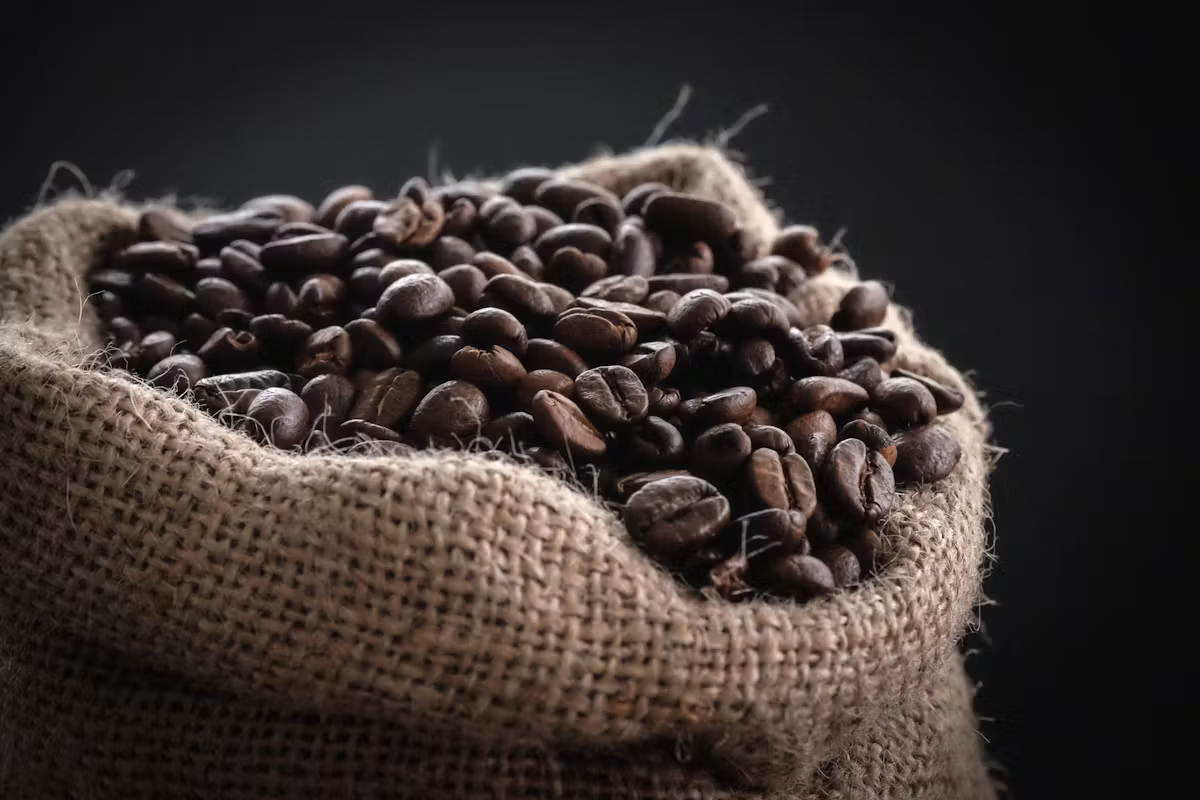
Guatemala's coffee story begins with a catastrophe that had nothing to do with coffee. For generations the country had lived from dyes — indigo and cochineal, the deep red harvested from insects on the nopal. Then, in the mid-1800s, European chemists invented synthetic dyes, and that entire economy collapsed within a few years.
Guatemala replanted itself in coffee. By the 1880s coffee made up the overwhelming majority of the country's exports, and it has shaped the highlands ever since — the terraces, the towns, the rhythm of the year bending around the harvest.
Ocho tierras, un grano
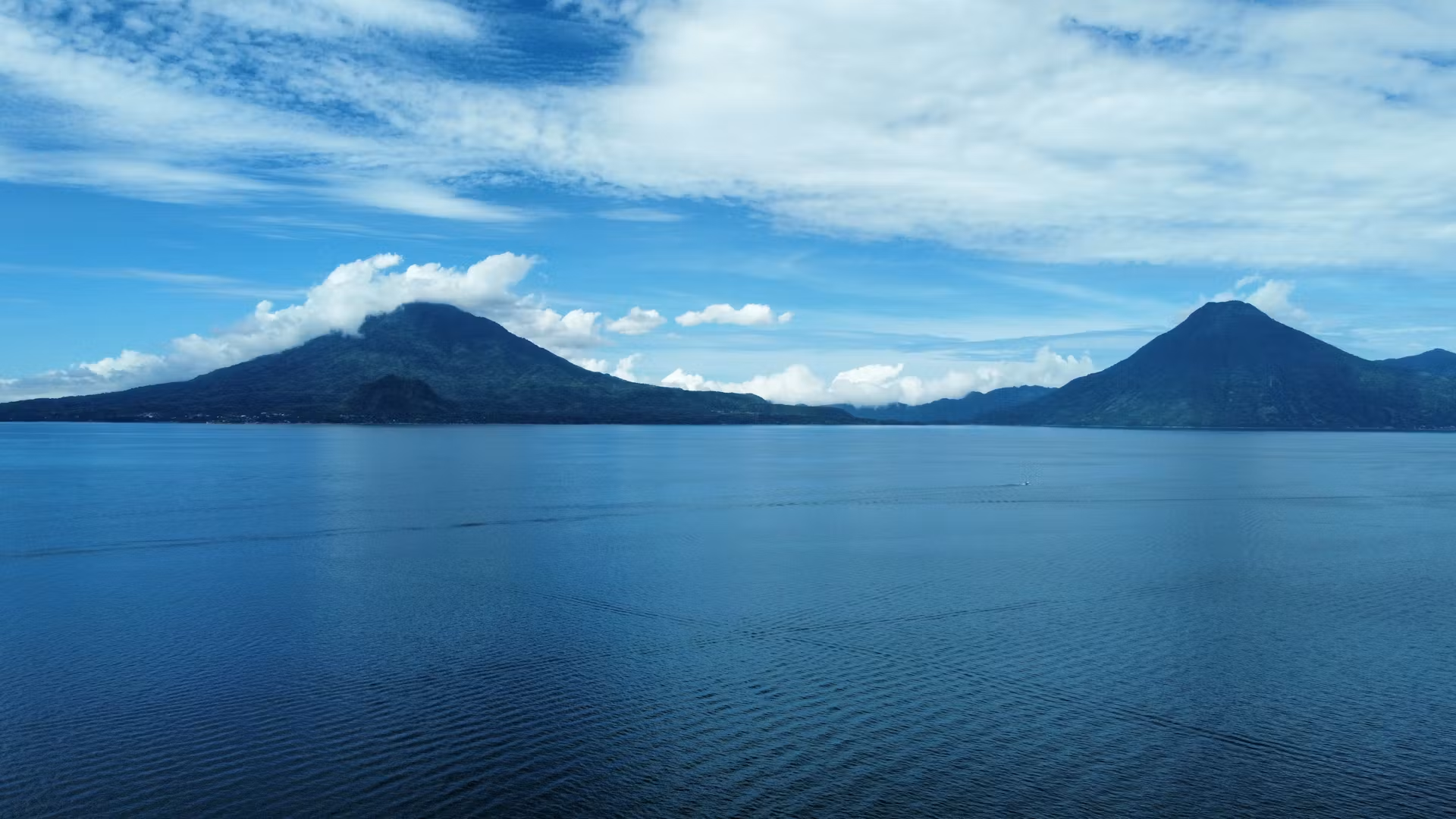
What makes Guatemalan coffee extraordinary is the land itself. Antigua's valley sits between three volcanoes — Agua, Acatenango, and Fuego, which still breathes ash over the fields, renewing the mineral soil. Around Lake Atitlán, coffee grows on the skirts of volcanoes above the water. In Huehuetenango, it climbs to some of the highest altitudes in Central America, ripening slowly in the thin air.
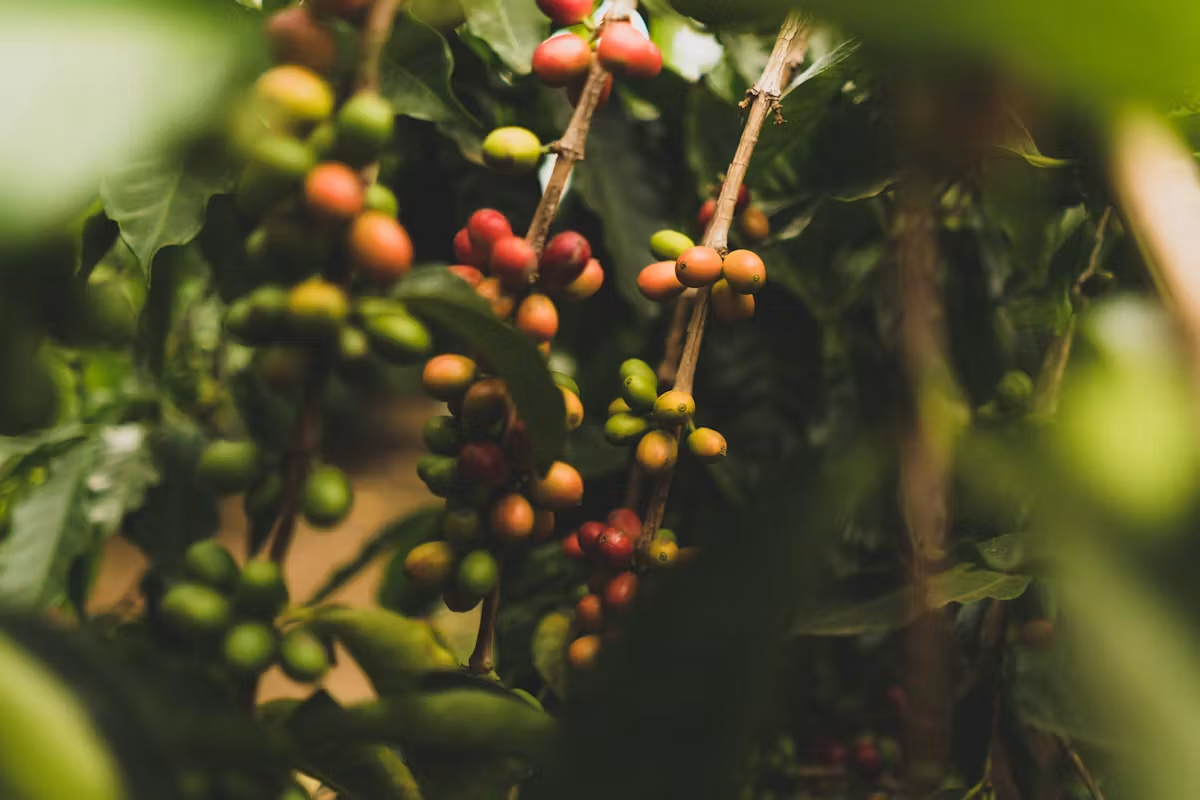
The country counts eight growing regions, each with its own character — and behind an enormous share of the harvest are Maya smallholder families, picking by hand on slopes where nothing with wheels can follow.
La taza
In a Guatemalan kitchen, coffee is the smell of dawn — poured thin and sweet, next to fresh tortillas coming off the comal. It is the café con leche children are finally allowed to taste, the pot that never empties at a celebration, the cup that keeps a velorio company through the night.
Far from home, that first cup of the morning is the fastest way back.
- The boom
- 1850s–60s, after the dye collapse
- Regions
- Antigua, Atitlán, Huehuetenango, Cobán — 8 in all
- The cup
- Morning coffee with fresh tortillas
- Landmark
- Volcán de Fuego, still active over the fields