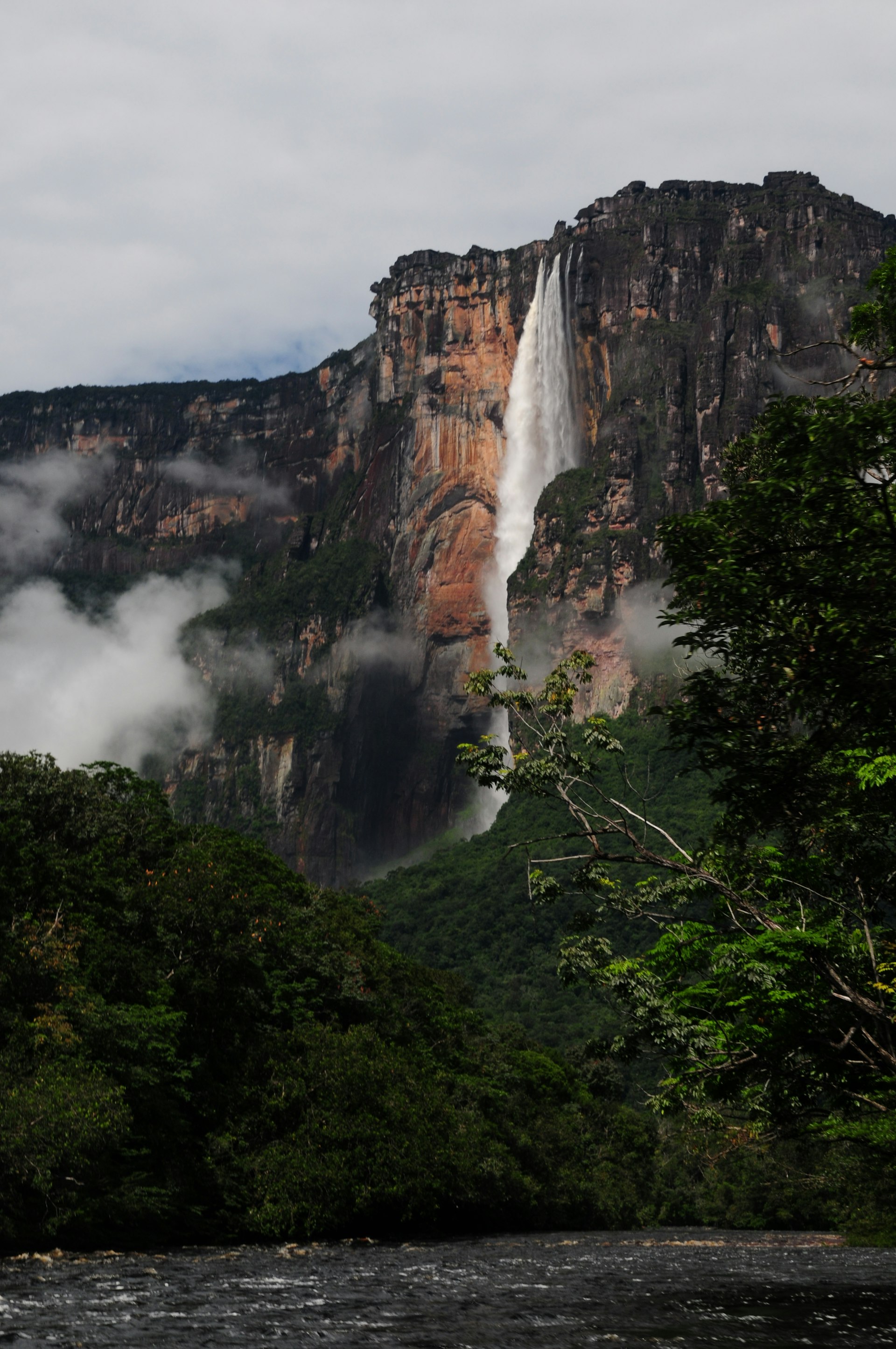
Some of the earliest written records of coffee in South America come from Venezuela: the Jesuit priest José Gumilla, writing of the Orinoco missions in the 1730s, described coffee growing in that impossible green country of rivers and tepuis. From those mission gardens, coffee found its way west — and up.
It was in the Andes — Táchira, Mérida, Trujillo — that Venezuela became a coffee power. Through the nineteenth century its harvests grew until the country stood among the world's great exporters, for a time second only to Brazil. Whole towns in the mountains lived by the harvest; the haciendas' stone patios, where coffee dried in the sun, are still there.
El gran café
In Caracas, coffee built a café culture of marble tables and long afternoons — el Gran Café tradition. Then, in the 1920s, oil arrived and eclipsed everything. Coffee stepped out of the export charts and back into the kitchen, where it had always ruled anyway.
Because whatever the economy did, Venezuelans never stopped drinking coffee — and never stopped naming it with a precision no other country matches.
La taza — El guayoyo
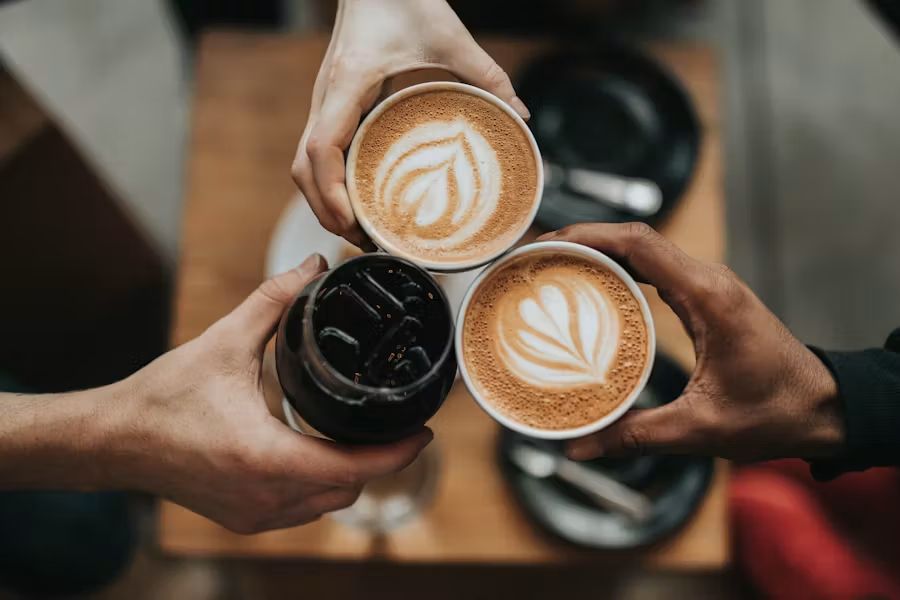
Guayoyo: black coffee brewed light, often through a cloth filter, gentle enough to drink all day. Negrito: small and strong. Marrón: coffee with a little milk — claro or oscuro, depending on your soul. Con leche: milk with a serious amount of coffee in it. Ordering is a dialogue, and everyone has their word.
For millions of Venezuelans now living abroad, the sound of the greca on the stove and the first guayoyo after the arepas is not breakfast. It is home.
- First records
- ~1730s, misiones del Orinoco
- Regions
- Táchira, Mérida, Trujillo, Lara
- The cup
- El guayoyo — light, all-day black coffee
- Words to know
- «Negrito, marrón, guayoyo»